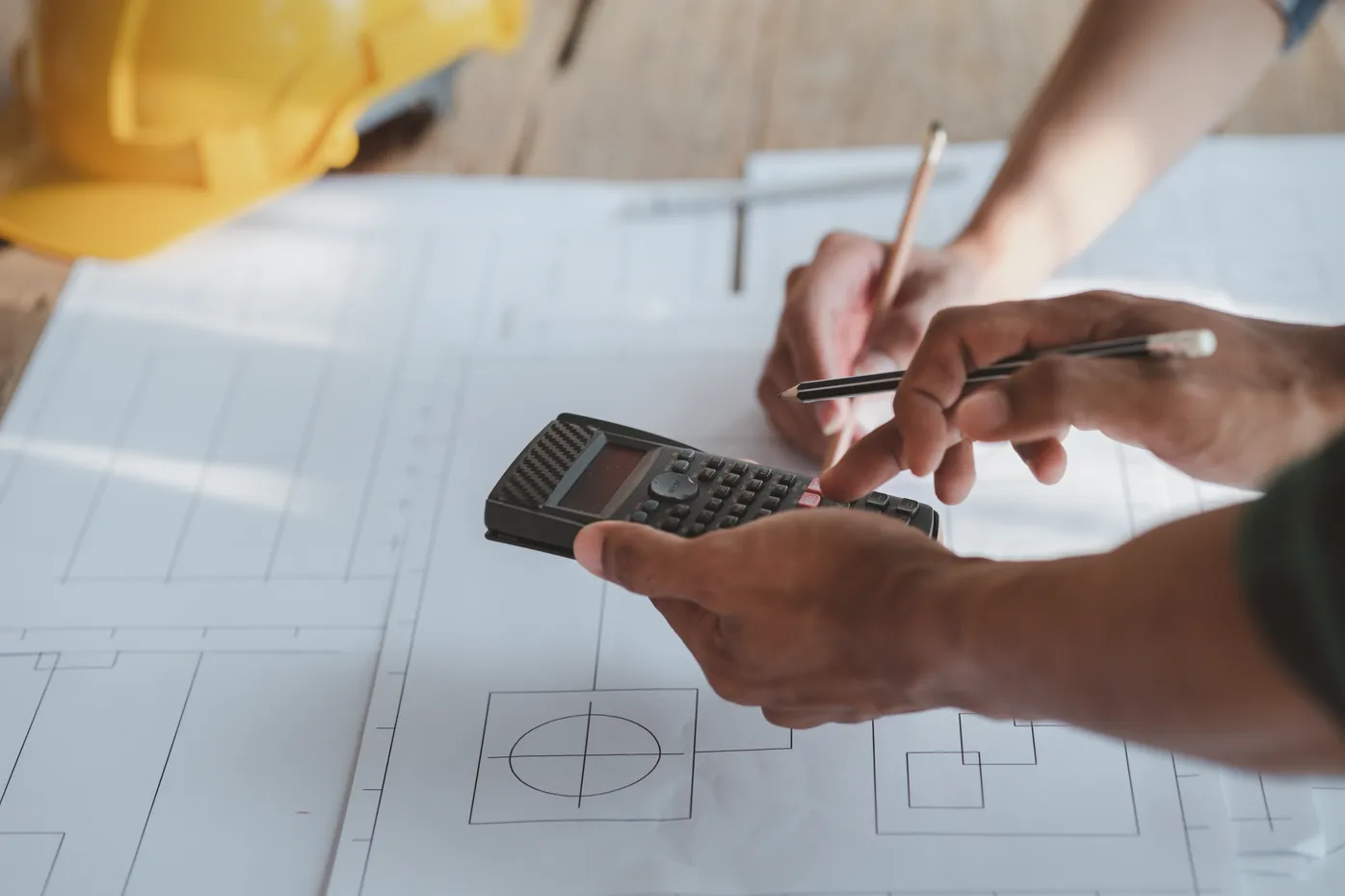
Why Accurate Estimates Matter in Construction Bidding
In the fast-paced world of construction, bidding is one of the most critical stages of securing a project. A well-prepared estimate can mean the difference between winning a…

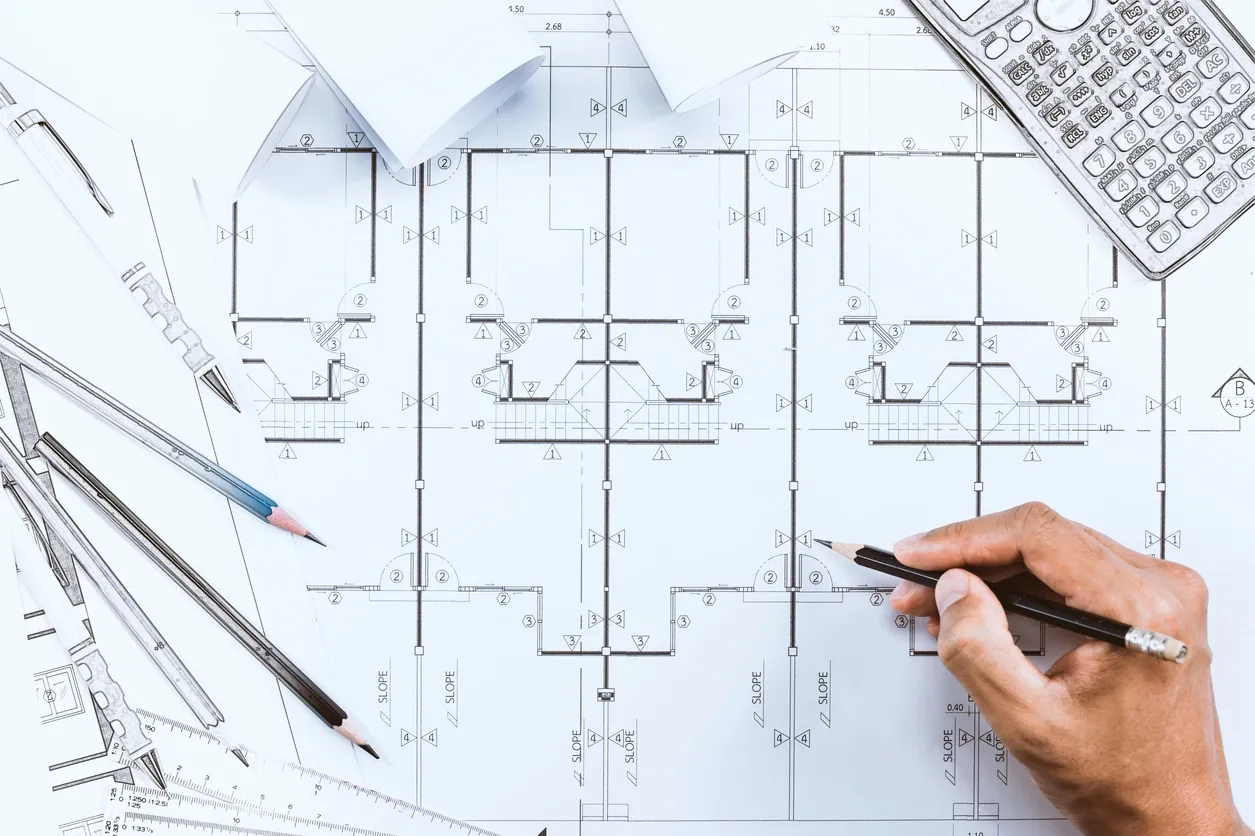
Construction estimating is a vital part of every construction project, regardless of its size, scope, or complexity. It is the process of calculating the total cost of a construction project based on several factors, such as materials, labor, equipment, and other expenses. Accurate construction estimating is critical to ensure that a construction project stays within budget throughout the duration, stays on schedule, and meets quality standards.
In this blog post, we will take a closer look at the different aspects of construction estimating. I will dive into the three main services that we provide and how they interact with each other; scope development, quantity takeoffs, cost estimates, and why they are all important.
Construction estimating is the process of determining how much a construction project will cost to build. It involves figuring the costs of labor, materials, equipment, and any other expenses needed to complete the project. It is an important step in the construction management process and is critical to ensure that the construction project is completed within budget.
Scope development is the first step in the construction estimating process. It involves defining all of the scopes of work for a construction project. A scope of work is a list of tasks the needs to be done in order to build the project. Every construction trade has their own scope of work and there are general scopes of work that need to be done by each trade. It is the foundation upon which cost estimates are built, and it is essential to have a clear understanding of the scope of work before starting the estimating process. Without it, scope gaps, which are tasks which are missed, are very common.
One cannot determine the true cost of a construction project without knowing exactly what goes into it. Quantity takeoffs do just that. They involve measuring and surveying the quantities needed for each component of the project. They are done by reviewing the construction plans and specifications to identify the types of materials needed and the quantity for each one.
We get cost estimates by assigning rates to the quantities we generate from the quantity takeoff. These rates include estimated costs for labor, materials, and equipment. Cost estimates are usually broken down by the different phases of construction, such as site work, concrete, framing, and MEPs (mechanical, electrical, and plumbing trades). Another common way to break down cost estimates is by CSI divisions. Cost estimates are used to create the project budget and ensuring that the project stays within budget.
Construction estimating is important for several reasons. Firstly, they help to ensure that a construction project is completed within budget. They provide a real expectation of the costs for the project, which allows project owners, architects, and contractors to allocate resources and plan accordingly. Secondly, construction estimating helps to mitigate risk. Discovering where there are cost overruns before the project gets to the construction phase can save owners tens or even hundreds of thousands of dollars. It allows time for value engineering during design, which is the act of changing certain design elements or specifications to allow for less expensive alternatives without changing the design intent or quality of what will be installed.